mirror of
https://github.com/AlexxIT/go2rtc.git
synced 2026-04-22 23:57:20 +08:00
 Sergey Krashevich
38cc05c22d
Sergey Krashevich
38cc05c22d
* feat(mjpeg): add keyframe caching with expiration and cleanup goroutine

* mjpeg: make keyframe cache duration and default usage configurable

* mjpeg: document and add config options for MJPEG snapshot caching

* mjpeg: fix errors after rebase

* Code refactoring for frame.jpeg cache #1155

---------

Co-authored-by: Alex X <alexey.khit@gmail.com>
81 lines
3.1 KiB
Markdown
81 lines
3.1 KiB
Markdown
# MJPEG
|
|
|
|
**Important.** For stream in MJPEG format, your source MUST contain the MJPEG codec. If your stream has an MJPEG codec, you can receive **MJPEG stream** or **JPEG snapshots** via API.
|
|
|
|
You can receive an MJPEG stream in several ways:
|
|
|
|
- some cameras support MJPEG codec inside [RTSP stream](#source-rtsp) (ex. second stream for Dahua cameras)
|
|
- some cameras have an HTTP link with [MJPEG stream](#source-http)
|
|
- some cameras have an HTTP link with snapshots - go2rtc can convert them to [MJPEG stream](#source-http)
|
|
- you can convert H264/H265 stream from your camera via [FFmpeg integraion](#source-ffmpeg)
|
|
|
|
With this example, your stream will have both H264 and MJPEG codecs:
|
|
|
|
```yaml
|
|
streams:
|
|
camera1:
|
|
- rtsp://rtsp:12345678@192.168.1.123/av_stream/ch0
|
|
- ffmpeg:camera1#video=mjpeg
|
|
```
|
|
|
|
## API examples
|
|
|
|
**MJPEG stream**
|
|
|
|
```
|
|
http://192.168.1.123:1984/api/stream.mjpeg?src=camera1`
|
|
```
|
|
|
|
**JPEG snapshots**
|
|
|
|
```
|
|
http://192.168.1.123:1984/api/frame.jpeg?src=camera1
|
|
```
|
|
|
|
- You can use `width`/`w` and/or `height`/`h` params.
|
|
- You can use `rotate` param with `90`, `180`, `270` or `-90` values.
|
|
- You can use `hardware`/`hw` param [read more](https://github.com/AlexxIT/go2rtc/wiki/Hardware-acceleration).
|
|
- You can use `cache` param (`1m`, `10s`, etc.) to get a cached snapshot.
|
|
- The snapshot is cached only when requested with the `cache` parameter.
|
|
- A cached snapshot will be used if its time is not older than the time specified in the `cache` parameter.
|
|
- The `cache` parameter does not check the image sizes from the cache and those specified in the query.
|
|
|
|
## Stream as ASCII to Terminal
|
|
|
|
[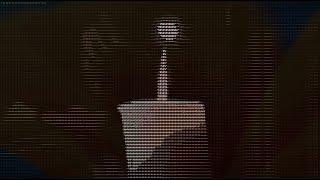](https://www.youtube.com/watch?v=sHj_3h_sX7M)
|
|
|
|
**Tips**
|
|
|
|
- this feature works only with MJPEG codec (use transcoding)
|
|
- choose a low frame rate (FPS)
|
|
- choose the width and height to fit in your terminal
|
|
- different terminals support different numbers of colours (8, 256, rgb)
|
|
- escape text param with urlencode
|
|
- you can stream any camera or file from a disc
|
|
|
|
**go2rtc.yaml** - transcoding to MJPEG, terminal size - 210x59 (16/9), fps - 10
|
|
|
|
```yaml
|
|
streams:
|
|
gamazda: ffmpeg:gamazda.mp4#video=mjpeg#hardware#width=210#height=59#raw=-r 10
|
|
```
|
|
|
|
**API params**
|
|
|
|
- `color` - foreground color, values: empty, `8`, `256`, `rgb`, [SGR](https://en.wikipedia.org/wiki/ANSI_escape_code)
|
|
- example: `30` (black), `37` (white), `38;5;226` (yellow)
|
|
- `back` - background color, values: empty, `8`, `256`, `rgb`, [SGR](https://en.wikipedia.org/wiki/ANSI_escape_code)
|
|
- example: `40` (black), `47` (white), `48;5;226` (yellow)
|
|
- `text` - character set, values: empty, one char, `block`, list of chars (in order of brightness)
|
|
- example: `%20` (space), `block` (keyword for block elements), `ox` (two chars)
|
|
|
|
**Examples**
|
|
|
|
```bash
|
|
% curl "http://192.168.1.123:1984/api/stream.ascii?src=gamazda"
|
|
% curl "http://192.168.1.123:1984/api/stream.ascii?src=gamazda&color=256"
|
|
% curl "http://192.168.1.123:1984/api/stream.ascii?src=gamazda&back=256&text=%20"
|
|
% curl "http://192.168.1.123:1984/api/stream.ascii?src=gamazda&back=8&text=%20%20"
|
|
% curl "http://192.168.1.123:1984/api/stream.ascii?src=gamazda&text=helloworld"
|
|
```
|